

Recover Zone
Train hard. Recover harder.
Infrared heat, hydrotherapy, sauna, cold plunge and contrast therapy — everything you need to bounce back, all under one roof.

Infrared Studio
Why the heat
Our infrared studio uses radiant heat to warm your body directly rather than the air around you. That means muscles warm up faster, joints move more freely and you sweat sooner — without the heavy, humid feel of traditional hot rooms. Infrared heat has been shown to support cardiovascular health, improve circulation, ease muscle soreness and assist in the body's natural detoxification. Combined with our programming, it turns every class into a full-body experience — deeper stretches, better mobility, a stronger sweat and a clearer head walking out the door.
Hydrotherapy
Water that works with you
Hydrotherapy is a form of treatment that uses water to improve health, recovery, and overall wellbeing. It can help reduce pain and stiffness by supporting the body's weight, allowing people to move more freely with less pressure on their joints and muscles. Warm water promotes relaxation, increases blood circulation, and helps relieve muscle tension, while the gentle resistance of water can improve strength, balance, flexibility, and cardiovascular fitness. Hydrotherapy is commonly used in rehabilitation after injuries or surgery and can benefit people living with conditions such as arthritis, chronic pain, or mobility difficulties. In addition to its physical benefits, hydrotherapy can also reduce stress, improve mood, and promote mental wellbeing by creating a calming and supportive environment for exercise and recovery.

Sauna
Finnish-style heat
Using a sauna can provide a range of physical and mental health benefits. The heat increases blood circulation, helping muscles relax and reducing soreness after exercise or physical activity. Regular sauna use may also improve flexibility, support recovery, and promote a feeling of relaxation by reducing stress and tension. Sweating in a sauna can help the body regulate temperature and may temporarily improve skin health by cleansing the surface of the skin. Many people also find that spending time in a sauna improves their mood, sleep quality, and overall sense of wellbeing. While saunas can be a valuable part of a healthy lifestyle, it is important to stay hydrated, avoid excessive time in the heat, and consult a healthcare professional if you have certain medical conditions.
Cold Plunge
The cold reset
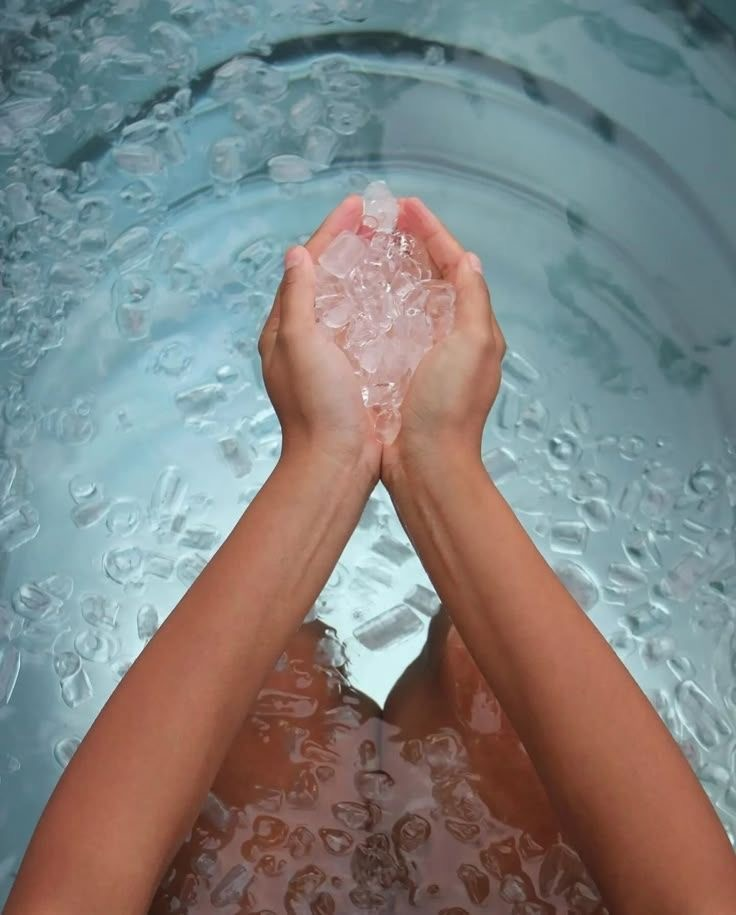
A cold plunge is a recovery technique that involves immersing the body in cold water for a short period of time. It can help reduce muscle soreness, inflammation, and swelling after exercise, making it a popular recovery method for athletes and active individuals. Cold water immersion may also improve circulation by causing blood vessels to constrict during the plunge and then expand as the body warms up. In addition to its physical benefits, a cold plunge can increase alertness, improve mood, and help build mental resilience by exposing the body to a controlled form of stress. When used safely, cold plunges can be an effective way to support recovery, enhance wellbeing, and prepare the body for future physical activity. However, they should be used with caution by people with certain heart or circulatory conditions and should always be followed by gradual warming and proper hydration.

Contrast Therapy
Hot. Cold. Repeat.
Contrast therapy involves alternating between hot and cold treatments, such as using a sauna or hot bath followed by a cold plunge, to support physical recovery and overall wellbeing. The changes in temperature encourage blood vessels to expand and contract, which may improve circulation and help reduce muscle soreness, stiffness, and fatigue after exercise. Contrast therapy can assist the recovery process by promoting blood flow, reducing feelings of heaviness in the muscles, and helping the body relax after physical activity. It may also provide mental benefits, including increased energy, improved mood, and a sense of relaxation. When used correctly, contrast therapy can be a useful recovery strategy for athletes and active individuals, but it should be approached safely, with appropriate time limits and consideration of individual health conditions.